








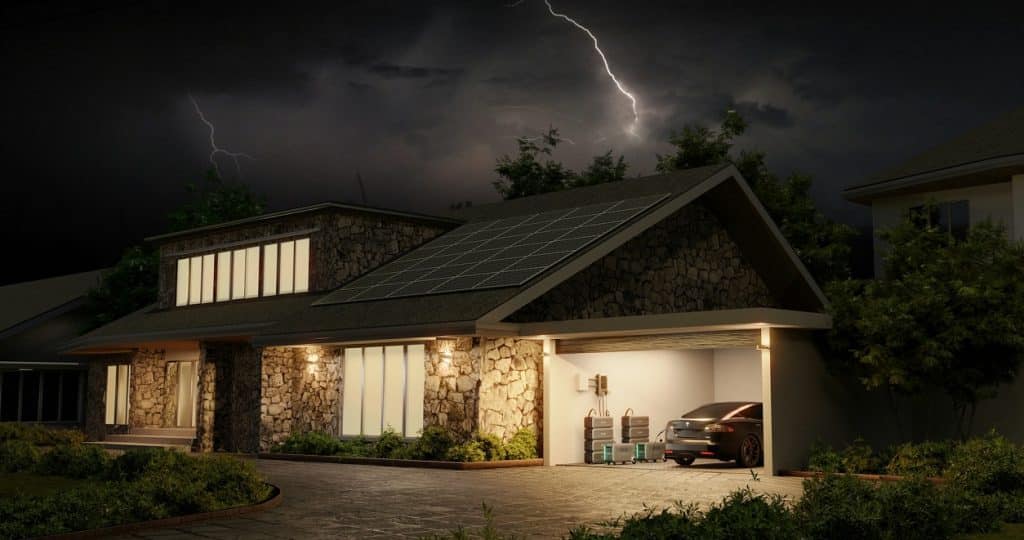
Your roof’s health is integral to the rest of your home. While a well-installed roof made from quality materials is built to last, there are precautions you can take in order to better protect it from environmental threats. Whether it’s wind, rain, or sun damage that your home is constantly battling against, here are some ways you can protect your home against all three.
How to Protect Your Roof From Wind
The first step to take whenever wind is the primary concern is to focus on preventive maintenance. Your roof is much less likely to sustain wind damage if there’s nothing to fall down on the roof because of it. Take the time to trim your trees and clear any branches that might fall if the wind picks up. Have a professional take care of this if it’s not safe for you to do so.
You should also look for ways to reinforce your roof. For example, hurricane straps and tools like drip edges and starter strips can go a long way in securing your roof. Have your local roofer explain your options so that you know what is right for your environment and budget.
How to Protect Your Roof From Rain
When it comes to rain, the best defense is maintenance. Always have your annual roof inspection. During this inspection, your roofer will look at important parts of your roof, such as your flashing and gutters. A gutter that’s blocked or damaged won’t redirect water efficiently, which can lead to wood rot and leaking over time. Meanwhile, damaged flashing can introduce water to the inside of the home once it does rain. Flashing damage can grow worse over time, making it easier for rain to make its way indoors.
It’s also a good idea to install a secondary underlayment if you live in a particularly windy or rainy area. If shingles are damaged during a storm and water manages to get past them, that secondary underlayment will provide your roof with necessary protection.
How to Protect Your Roof From Sun Damage
Do you live in an area where the temperatures rise exponentially during the summer? If so, you need to focus on mitigating sun damage. You can start on the outside by applying a reflective coating that keeps UV rays from baking your asphalt shingles and causing them to break down. What many homeowners don’t know is that internal conditions matter, too. If your attic doesn’t have proper ventilation, this can cause issues for your shingles and flashing. Check to see if your attic is becoming hot and humid. If it is, now is the time to have a roofer address it so it doesn’t cause problems throughout the summer.
Rain, wind, and UV damage all pose a risk to your roof. Use these tips to help defend your roof against environmental threats and get the full lifespan out of your roof. If you have concerns or require roof repair services, contact Elite Roofing in West Virginia.