






A roof replacement can feel huge, but problems begin with simple oversights. Homeowners may focus on color, price, or timing and miss details that protect the roof. A little preparation helps you ask better questions before work begins. It also helps you spot steps that should never be skipped.
Choose the Right Roofer
Start with licensing and insurance. A roofer should explain both without hesitation. Insurance matters in roofing because it involves ladders, tools, heavy materials, and safety risks. Without it, a homeowner could be held responsible for damage or injuries. If subcontractors are involved, ask how the roofer checks their work.
Spend the same amount of time talking about the materials that will be used. Cheap shingles may lower the estimate, but they may wear out sooner. Ask about brands, warranties, and expected performance.
Payment terms should feel reasonable. Many roofers ask for a deposit before ordering materials. Paying the full amount upfront creates unnecessary risk. Save final payment until the project is complete.
Remove Old Shingles First
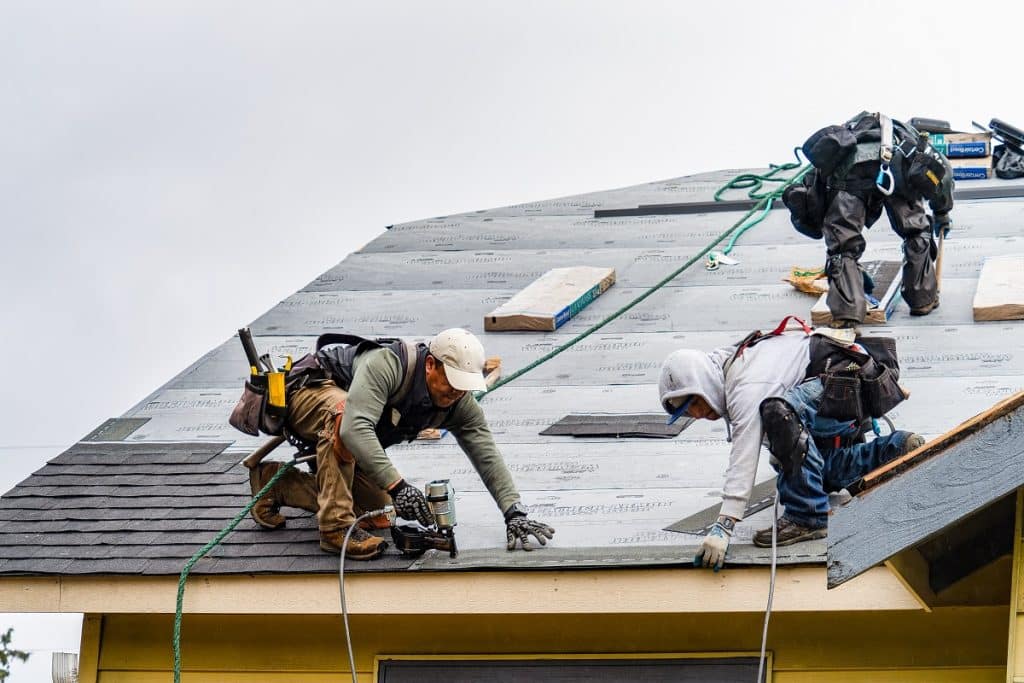
Installing new shingles over old ones can save time but can also hide problems. Roofers cannot inspect the decking when old shingles remain. Soft spots, rot, and old leaks may stay covered. Those problems can damage the new roof from underneath.
Extra layers also add weight. That weight can strain the roof structure, especially on older homes. A full tear-off gives roofers a clean surface to start from.
Replace Old Flashing
Flashing protects roof joints, edges, chimneys, skylights, and valleys. These areas collect water and need to be sealed. Reusing bent or corroded flashing can invite leaks. New flashing gives vulnerable areas a better chance to stay dry.
Check Underlayment and Ice Barriers
Underlayment sits between the roof deck and shingles. It adds protection when wind-driven rain reaches beneath shingles. Skipping it can leave the attic more vulnerable to moisture. A roofer should explain which underlayment is best for your roof.
Ice barriers may matter in colder areas. They help protect the lower edges of the roof where ice dams can form. Local codes and climate often guide where installers place them. The roof plan should include these details before work begins.
Review Roof Ventilation
Ventilation helps air move through the attic. Intake vents usually bring air in near the soffits. Exhaust vents release air near the ridge or roof peak. That airflow helps manage heat and moisture under the roof.
Poor ventilation can shorten roof life. Moisture can affect decking, insulation, and indoor comfort. Heat buildup can also stress shingles over time. Ask how the roofer will check airflow before replacement.
Roof replacement goes better when you understand the work behind the finished surface. Licensing, materials, tear-off, flashing, underlayment, and ventilation all affect performance. Asking the right questions can prevent costly shortcuts. If you live in West Virginia and need roof replacement services, make your first call to Elite Roofing.